Would you like to switch to the accessible version of this site?

Go to accessible site Close modal window

Don't need the accessible version of this site?

Hide the accessibility button Close modal window
Accessibility View Close toolbar
Menu
  • Home
  • New Patient Center
    • What to Expect
    • Veterinary Resources
    • Payment Options
  • About Us
    • Services
    • Meet our team
  • Petsimonials
  • Contact Us
  • Blog
  • Veterinary Topics
    • Pet Health
      • Chronic Conditions
      • Digestive and Oral Health
      • Diseases and Viruses
      • Pests and Parasites
      • Orthopedics
    • Today's Veterinarian
    • Choosing Your Pet
      • Finding Your Pet
      • Cats
      • Dogs
      • Exotics
        • Amphibians
        • Birds
        • Reptiles
          • Lizards
          • Turtles
      • Small Mammals
        • Ferrets
        • Rabbits
        • Domesticated Animals
          • Prairie Dogs
        • Pocket Pets
          • Chinchillas
          • Guinea Pigs
          • Hamsters
          • Hedgehogs
          • Rats
      • Livestock
        • Cows
        • Donkeys, Horses & Mules
        • Goats
        • Pigs
        • Poultry
        • Sheep
    • Living With Your Pet
      • Bringing Your Pet Home
      • Children and Pets
      • Providing Care
      • Travel
      • Saying Goodbye
    • Newsletter Library
      • Cats
      • Tips for Pet Owners
      • Behavior & Training
      • Fleas & Parasites
      • Keeping Pets Healthy
      • Recognizing Illness
      • Nutrition & Food
      • Pet Dangers
      • Seasonal Topics
      • Visiting the Vet
      • Equine
      • Newsletter Archive
        • Fun with Pets
        • Unbelievable Pets
    • Video Newsroom
      • Health Topics
      • Technology and Science
      • Other Interests
    • Newsletter Library
    • Client Survey
    • Pets4Kids

Roxy Ann Veterinary Hospital

541-664-1521

Exclusive Offer

First Visit is FREE

Sign up now

Error!

    • Home >
    • Articles >
    • Choosing Your Pet >
    • Exotics >
    • Birds >
    • Cockatoos

    Cockatoos

    • Created in Choosing Your Pet, Exotics, Birds
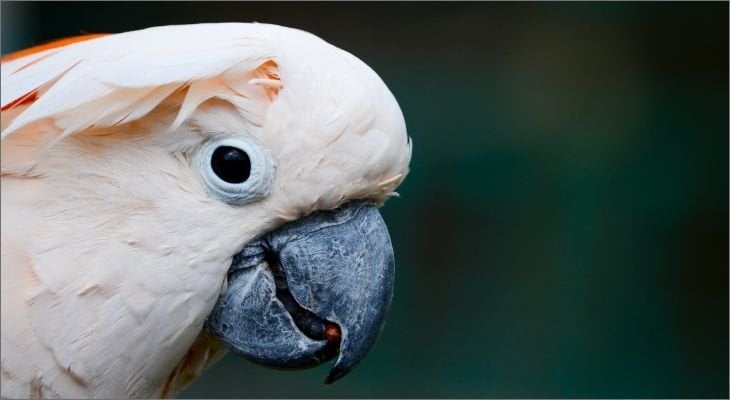
    cockatoo

    If you're looking for a lively, affectionate, intelligent pet, you don't have to limit yourself to a dog or cat. Members of the Cacatuidae family, better known as cockatoos, can provide those qualities in abundance. However, before you bring a cockatoo home for the first time, you need to understand the following points about these occasionally demanding birds.

    What Prospective Cockatoo Owners Should Know

    Many prospective cockatoo owners look forward to teaching their new friends to mimic all kinds of sounds, including speech. But be patient, because this training process can take quite some time. Cockatoos also enjoy making loud, unprompted squawks and screeches, so take this into consideration if noise in your home represents a problem.

    Cockatoos also bond deeply with their owners, demanding daily care, stimulation, and interaction. If you spend most of your time away from home, your cockatoo may become deeply unhappy and develop behavioral or physical health problems. Consider whether your lifestyle is compatible with these needs before going further.

    Cockatoo Species for Beginners

    While cockatoos in general can prove more demanding than many other pet birds, some species make better companions for beginners than others. If you want a sweet-natured, easy-to-handle bird, choose the relatively compact bare-eyed cockatoo. If you'd prefer a cockatoo on the quiet end of the noise spectrum (and can spend several hours a day interacting with your pet), choose a citron cockatoo. An umbrella cockatoo also makes a gentle, well-behaved, family-friendly choice.

    Caring for Your Cockatoo

    In addition to their insatiable desire for human interaction, cockatoos need plenty of toys to stimulate them and occupy their attention. Cockatoos also do best when paired, so consider getting two birds instead of just one. (Take care not to get a male and female unless you're interested in breeding them!) To ensure that your cockatoos get the nutrition necessary for good health, feed them prepared seed mixes that include sprouted seeds that should be available at your local pet store. You can also feed them fruits and vegetables as treats.

    Schedule periodic veterinary wellness exams for your cockatoo to catch any illnesses that require immediate treatment. Cockatoos require occasional grooming of their feathers, nails, and beaks. A professional groomer can perform these tasks without hurting your pet. Last but not least, observe how your cockatoo interacts with your other pets. If you sense tension, consider giving your cockatoo its own separate living area.

    • Pet Health
      • Chronic Conditions
      • Digestive and Oral Health
      • Diseases and Viruses
      • Pests and Parasites
      • Orthopedics
    • Today's Veterinarian
    • Choosing Your Pet
      • Finding Your Pet
      • Cats
      • Dogs
      • Exotics
        • Amphibians
        • Birds
        • Reptiles
          • Lizards
          • Turtles
      • Small Mammals
        • Ferrets
        • Rabbits
        • Domesticated Animals
          • Prairie Dogs
        • Pocket Pets
          • Chinchillas
          • Guinea Pigs
          • Hamsters
          • Hedgehogs
          • Rats
      • Livestock
        • Cows
        • Donkeys, Horses & Mules
        • Goats
        • Pigs
        • Poultry
        • Sheep
    • Living With Your Pet
      • Bringing Your Pet Home
      • Children and Pets
      • Providing Care
      • Travel
      • Saying Goodbye
    • Newsletter Library
      • Cats
      • Tips for Pet Owners
      • Behavior & Training
      • Fleas & Parasites
      • Keeping Pets Healthy
      • Recognizing Illness
      • Nutrition & Food
      • Pet Dangers
      • Seasonal Topics
      • Visiting the Vet
      • Equine
      • Newsletter Archive
        • Fun with Pets
        • Unbelievable Pets
    • Video Newsroom
      • Health Topics
      • Technology and Science
      • Other Interests
    • Newsletter Library
    • Client Survey
    • Pets4Kids

    Contact Us

    Send us an email

    Error!

      Location

      Find us on the map

      Office Hours

      Our Regular Schedule

      Roxy Ann Veterinary Hospital

      Monday:

      8:00 am-5:00 pm

      Tuesday:

      8:00 am-5:00 pm

      Wednesday:

      8:00 am-5:00 pm

      Thursday:

      8:00 am-5:00 pm

      Friday:

      8:00 am-5:00 pm

      Saturday:

      8:00 am - 9:00 am for pickups only

      Sunday:

      Closed

      • Copyright © 2026 MH Sub I, LLC dba iMatrix.
      • Admin Log In
      • Site Map